

…Experts call for prioritizing mental health in Nigerian workplaces
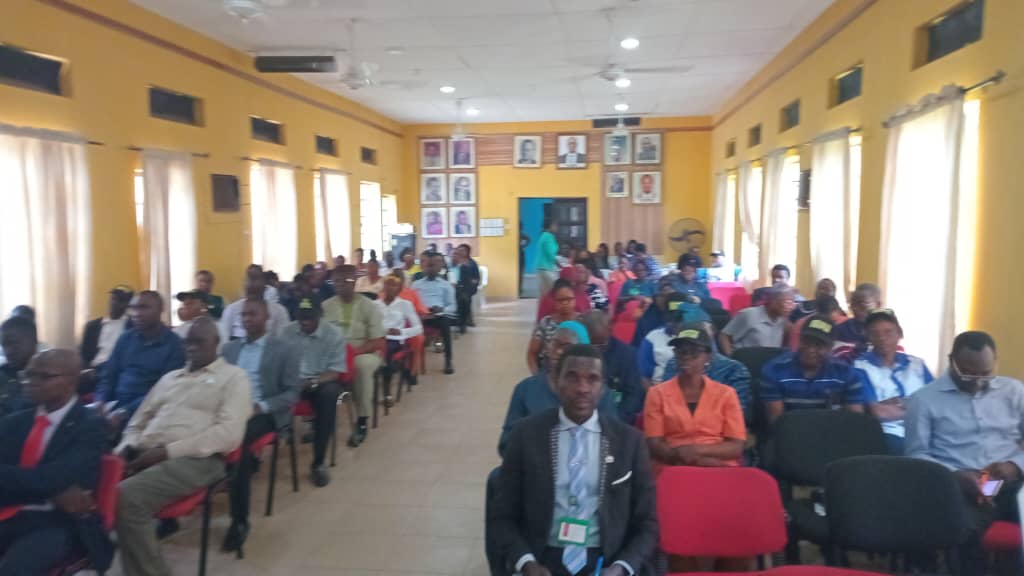
The Provost and Chief Medical Director of the Federal Neuropsychiatric Hospital, Aro, Abeokuta, Dr. Paul Agboola, has described a mentally stable workforce as the cornerstone of a nation’s economic success.
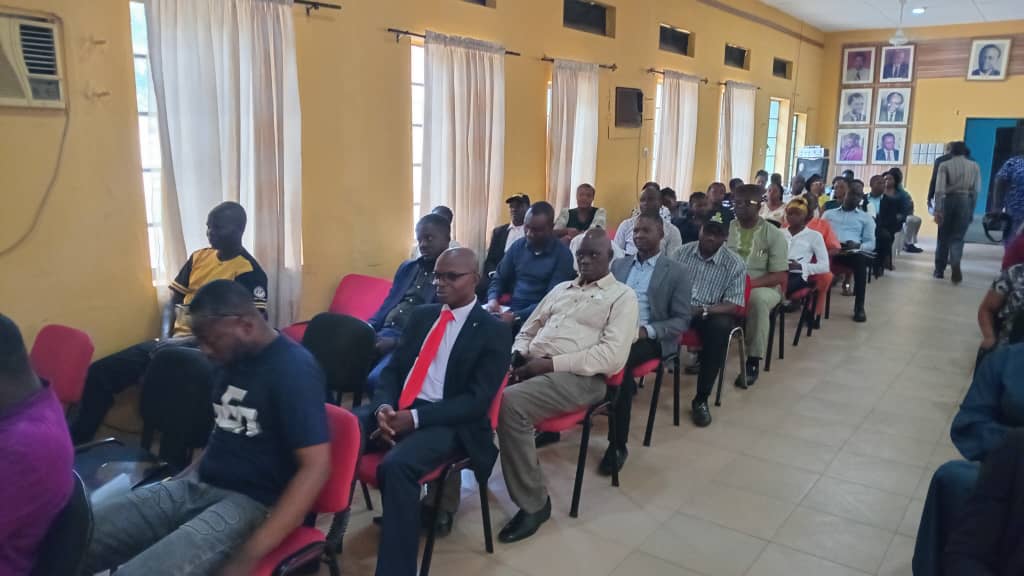
Dr. Agboola made this assertion on Thursday during the hospital’s commemoration of the 2024 World Mental Health Day.
Speaking on the theme, “It Is Time to Prioritize Mental Health in the Workplace,” Dr. Agboola emphasized the direct link between mental health and workplace productivity.
He warned that a workforce compromised by mental health issues can have dire consequences for the overall economy.
“A stable workforce is the foundation of a nation’s economy. When mental health is compromised, productivity suffers,” Agboola said while addressing newsmen after the event.
He further highlighted the growing pressures in the workplace, worsened by fears of the unknown and the relentless demands of modern jobs. “A sick workforce will yield poor outcomes, and this affects the entire economy,” he added.
Tracing the history of World Mental Health Day, which began in 1994, Agboola stressed that mental health issues are often overshadowed by physical health concerns like malaria or typhoid.
He explained that cognitive well-being is crucial, as the mental state of workers not only impacts their output but also their ability to handle the stresses of an increasingly technological environment.
He also warned about the mounting pressure on workers to compete with artificial intelligence, coupled with the growing intolerance for human errors in many workplaces.
“Machines may replace workers, but humans have emotional intelligence. Employers must provide a supportive environment that prioritizes the mental well-being of employees,” Agboola urged.
Workplace Mental Health Crisis
Adding to the discussion, Dr. Abayomi Olajide, a consultant psychiatrist at the hospital and Secretary General of the Association of Psychiatrists in Nigeria, delved into the causes of mental health challenges in Nigerian workplaces.
He cited the “Japa syndrome,” where professionals, especially in healthcare, are migrating abroad for better opportunities, leaving those who remain with overwhelming workloads.
“With many professionals migrating, the remaining workforce is left with an overwhelming workload,” Olajide explained.
He further pointed out other contributing factors like poor remuneration, inadequate training, insecurity, and unsafe working conditions.
Olajide emphasized the importance of personal well-being practices like adequate sleep, healthy eating, and avoiding substance abuse.
He also called for a regular review of salaries in line with the economic realities. “Work-life balance is critical. Government and employers must invest in welfare and wellness programs, and salaries must be regularly reviewed to reflect the economy,” he added.
The Need for Work-Life Balance
Mrs. Olaitan Olufunmilayo Oluremi, Deputy Director of Nursing, stressed the importance of maintaining a clear boundary between work and personal life.
“There must be a clear boundary between work and personal life. When you’re at work, work efficiently, but when you leave, do not take work home,” she advised.
She also urged healthcare workers to prioritize self-care, noting that many neglect their own health while attending to others.
“Many nurses skip meals and breaks while working. We must take care of ourselves to maintain a healthy balance between our professional and personal lives,” Oluremi said.
Conflict Management and Workplace Harmony
Concluding the event, Dr. Olanrewaju Sodehinde, Deputy Director of Clinical Psychology at the Neuropsychiatric Hospital, spoke on the importance of effective conflict management in the workplace.
He explained that unresolved conflicts between colleagues or between management and staff could lead to a decline in productivity.
“When conflicts are not resolved, it results in poor service delivery, customer dissatisfaction, and ultimately, a loss of profitability,” Sodehinde said. He praised the hospital’s administration for its collaborative approach to conflict resolution, which has significantly improved workplace harmony.
“When employees feel involved in decision-making, they are more committed, and this has helped to reduce conflicts,” he added.
A Collective Responsibility
The experts collectively called for increased investment in mental health programs, improved working conditions, and the creation of supportive environments that recognize the unique needs of human workers in an increasingly automated world.
They stressed that mental health is not just an individual issue but a collective responsibility that impacts the well-being of the entire nation.
Their message was clear: A mentally stable workforce is critical to sustaining economic growth and national prosperity.
