
…Vendors testimonies, community authority validate Ajibola’s ownership
…Traditional authority demarcation upheld as binding reference
…Parties urged to comply as chiefs move to restore peace
Olayinka Akinpelu
A Traditional Arbitration Panel constituted under the authority of The Alake of Egbaland, Oba Michael Adedotun Aremu Gbadebo II has declared the land ownership claims of Honourable Lateef Adekunle Ajayi, a.k.a Lati Iyana, a councillor representing Obafemi Owode Local Government Ward 03 under the leadership of the Chairman Amb. Adesina Ogunshola, as materially inconsistent, while affirming the position of businessman Johnson Akindele Ajibola, popularly known as Young Agro, in a protracted dispute in Owode Egba, Ogun State.
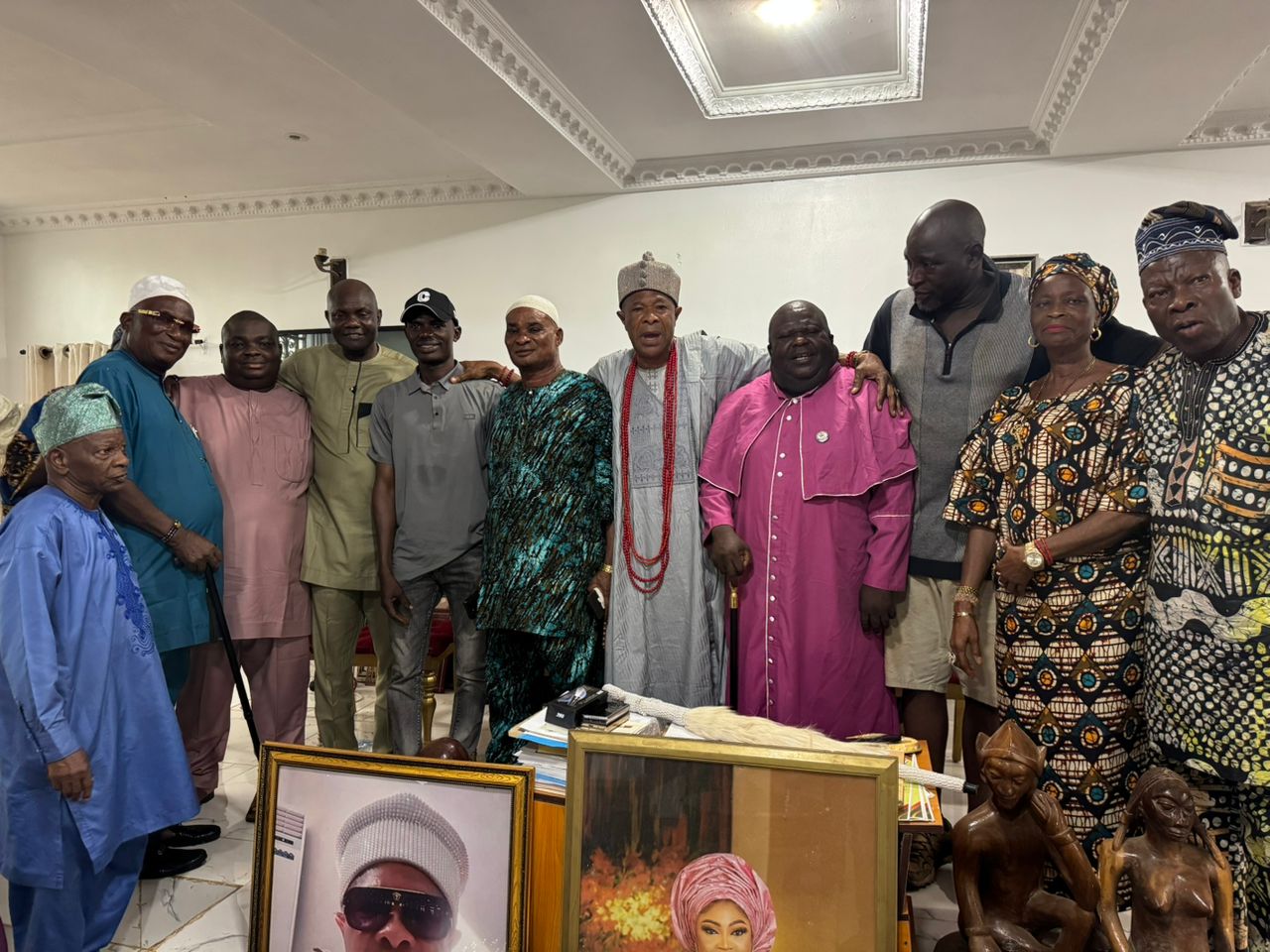
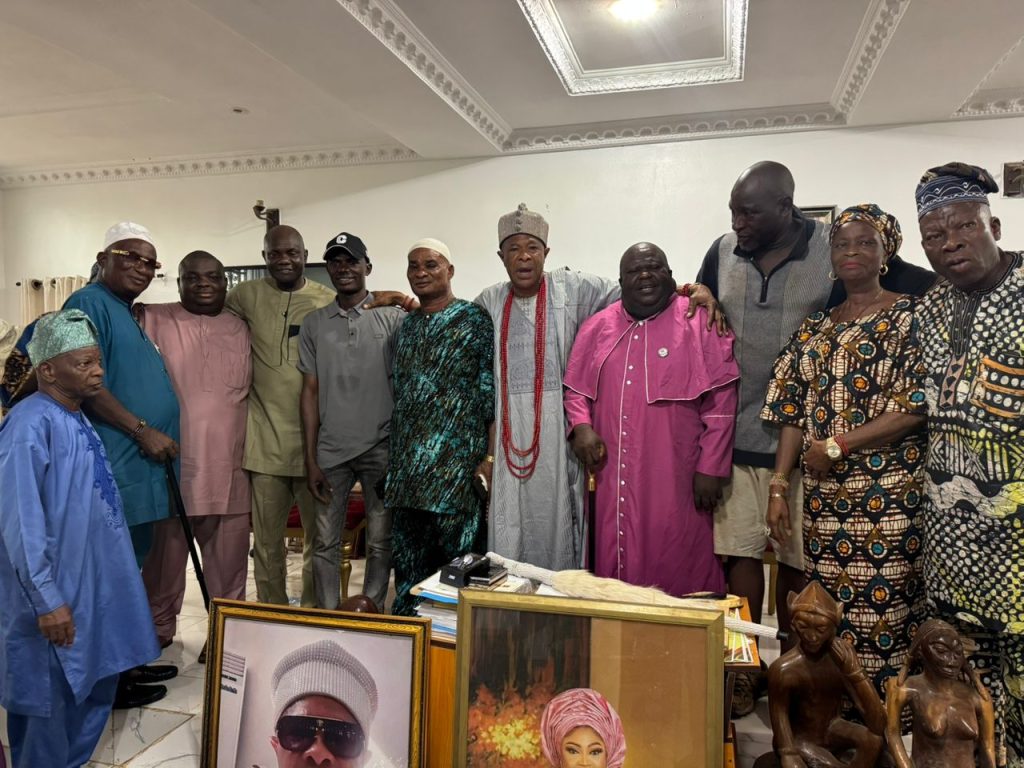
The decision, delivered by the sole arbitrator, High Chief Bode Mustapha, the Osi of Egbaland, followed a detailed review of oral testimonies, documentary evidence and admissions by both parties during a sitting held on 13 April 2026 at the palace of the Olu of Owode Egba.
The panel’s findings, endorsed by a nine-member body of chiefs, community leaders and religious figures, leaned heavily on corroborated vendor testimonies and the authority of traditional land demarcation carried out by the Imo Emulu Village Council of Chiefs.
At the centre of the dispute is a contested expanse of land located at Imo Emulu Village, Owode Egba, where both Ajibola and Ajayi laid competing claims to ownership and possession, triggering tensions that had begun to threaten public peace in the community.
Background to the dispute shows that the conflict had lingered for years, fuelled by allegations, counter-allegations and public exchanges, including on social media platforms. Initial intervention by the Olu of Owode-in-Council failed to produce a resolution, prompting escalation to the Alake for a more authoritative traditional arbitration.
Ajibola, in his submissions, maintained that he lawfully acquired the disputed land from recognised landowning families within Imo Emulu Village, with the full knowledge and endorsement of the Council of Chiefs. He presented executed documents to support the transactions and disclosed ongoing efforts to perfect his title with the Ogun State Government.
Central to his claim was a community-backed demarcation arrangement which divided the land into distinct portions using Imo Emulu Junction as a reference point. According to this arrangement, the portion to the left of the junction when approached from the expressway was allocated to him, while the right side was designated for Ajayi.
Ajibola insisted that the land in dispute falls squarely within his allocated portion. His position was reinforced by testimonies from members of the vendor families, confirmation by the Baale of Imo Emulu Village, and a document issued by the Council of Chiefs affirming both the allocation and awareness of the transactions.
He further accused Ajayi of repeated trespass and referenced previous unresolved disputes involving neighbouring communities.
In contrast, Ajayi claimed to have purchased about 60 acres of land from a family that was not represented at the proceedings. Although he presented copies of agreements, he failed to formally tender them as evidence.
More significantly, claims of payments allegedly made to a third party, identified as Alhaji Threeco, were contradicted during verification, as the individual denied any involvement with land in Imo Emulu Village, clarifying that his dealings related to a separate dispute in Osoba Village.
Ajayi also admitted under questioning that he did not own a seven-acre portion for which he had purportedly entered into an agreement with the Council of Chiefs. The panel noted that his acquisitions were fragmented and sourced from individuals and families who neither appeared nor provided supporting testimony.
In resolving the dispute, the panel framed a central question: whether either party could validly assert ownership over land falling within the portion allocated to the other under the community’s established demarcation.
The arbitrator held that the Council of Chiefs had validly allocated distinct and identifiable portions of land to both parties and that the demarcation using Imo Emulu Junction remained binding. The panel found that any overlapping claims resulted from subsequent transactions conducted outside the recognised boundaries.
While affirming Ajibola’s claims as substantially supported by credible evidence, the panel ruled that Ajayi’s assertions were weakened by inconsistencies, lack of verifiable documentation and admissions against interest.
The decision emphasised that the ruling was guided by customary law, equity and the overriding need to preserve peace and stability within Imo Emulu Village and the wider Egbaland.
The arbitration outcome, dated 13 April 2026 and witnessed by Oba Kolawole Sowemimo, alongside other chiefs and community leaders, urged both parties to comply fully with its terms.
Signatories to the decision include traditional title holders, religious leaders and community representatives, reflecting a broad consensus aimed at ending the dispute and restoring order.
Observers say the ruling underscores the enduring role of traditional institutions in land governance and conflict resolution, particularly in communities where formal land administration systems often intersect with customary authority.
