
…Governors, Northern Traditional Rulers Push for Wider Consultation on Controversial Bill
The National Economic Council (NEC) has called for the withdrawal of the Tax Reform Bill currently before the National Assembly, citing the need for broader consultations to address stakeholder concerns.
The decision came after governors and Northern traditional rulers voiced objections to the proposed derivation-based model for Value Added Tax (VAT), which they claim is biased against Northern states.
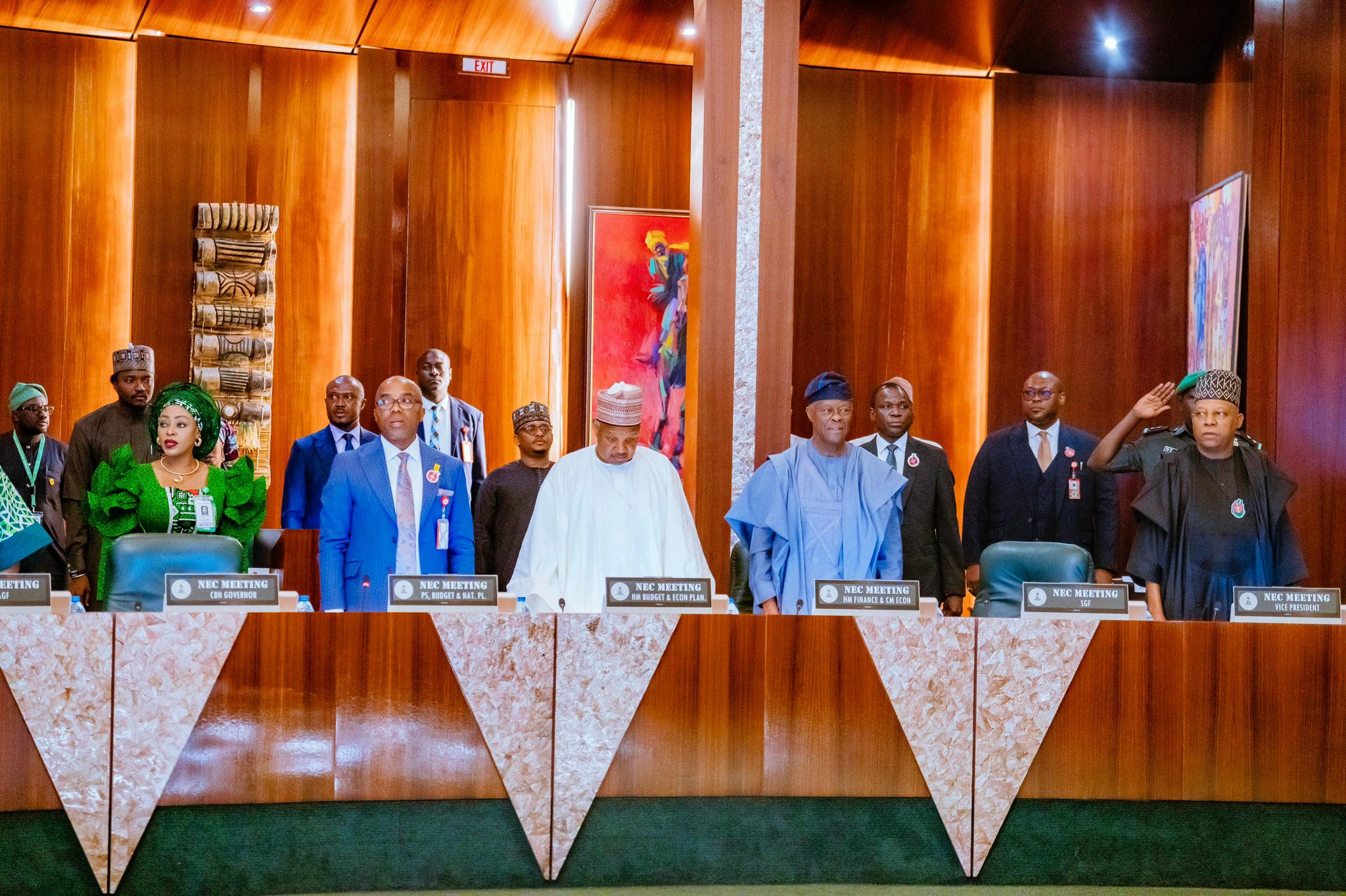
Following the 145th NEC meeting, chaired by Vice President Kashim Shettima, Oyo State Governor Seyi Makinde announced the Council’s resolution, stating that the bill should be withdrawn to allow for greater understanding and consensus building among Nigerians.
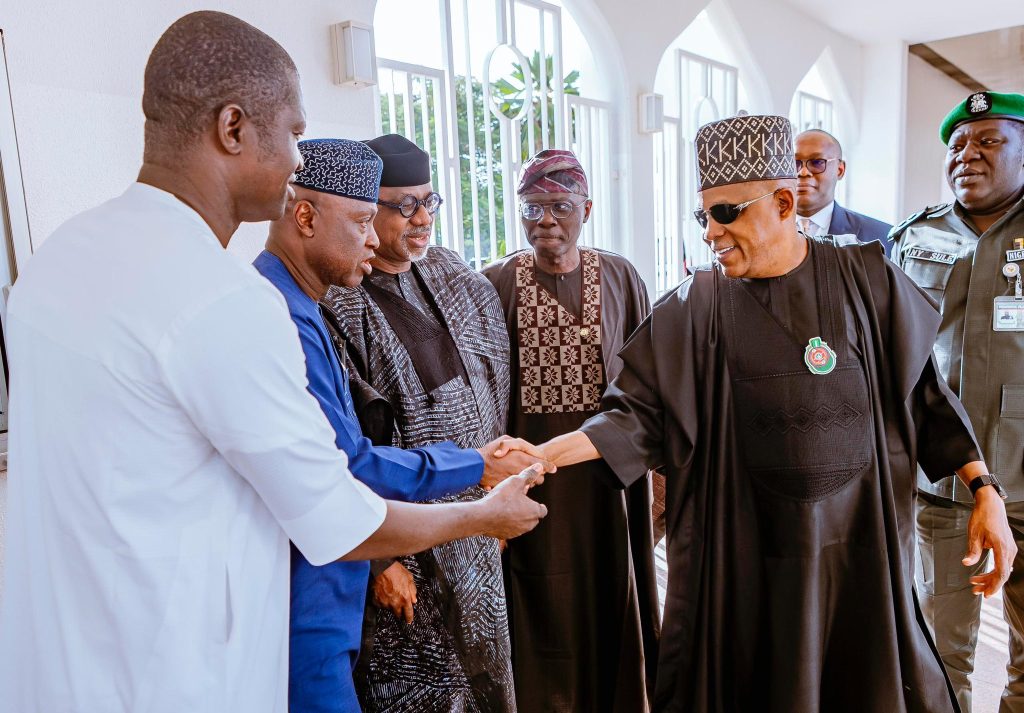
“The Council acknowledged that the country is underperforming on all indices regarding yields from major revenue sources, including the tax-to-GDP ratio,” Makinde said.
“After extensive deliberations, NEC noted the need for alignment among stakeholders for the proposed reforms.”
Makinde emphasized that additional time would provide an opportunity for better communication of the bill’s objectives and the government’s vision for tax reform.
“There’s really a lot of miscommunication and misinformation,” he added. “The bill will be withdrawn from the National Assembly, and consultations will follow.”
Supporting IDPs, Host Communities
In other resolutions, NEC approved the “Solutions for Internally Displaced and Host Communities” initiative, a World Bank-supported program aimed at improving basic services and economic opportunities for internally displaced persons (IDPs) and their host communities.
Minister of Budget and Economic Planning Atiku Bagudu outlined the initiative’s goals, noting that it would address long-term infrastructure needs and foster sustainable livelihoods for both IDPs and residents of affected areas.
Bagudu explained, “The initiative seeks to develop robust infrastructure, including essential services like water supply, sanitation, and transportation, which are crucial for supporting both IDPs and their host communities. By addressing these needs, we aim to create an inclusive environment where both groups can thrive together.”
The programme also includes capacity-building measures to enhance the ability of local governments and community leaders to manage resources effectively.
Each state will appoint a focal person to coordinate with the Federal Ministry of Budget and Economic Planning and the National North East Development Commission, which will oversee project implementation.
