

…Says monarch is distorting Yoruba tradition, trespassing on Oyo territory
Olayinka Akinpelu
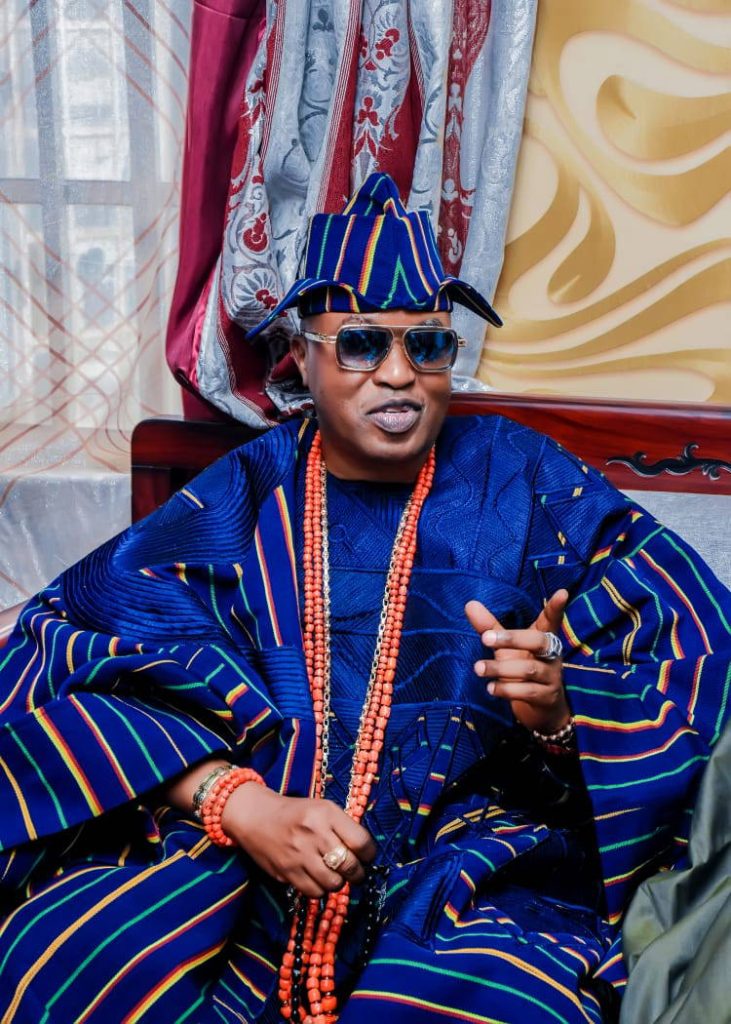
Traditional leaders and stakeholders in Ibadan have strongly condemned the Oluwo of Iwo, Oba Abdulrasheed Adewale Akanbi, over alleged trespassing in Ogburo land—a boundary community between Oyo and Osun States—and for what they described as repeated distortion of Yoruba customs and culture.
In a united voice, Mogajis in Ibadan land, the Central Council of Ibadan Indigenes (CCII), chiefs, baales, the Ibadan Compound Peace Initiative (ICPI), and prominent sons and daughters of Ibadan have called on Nigerians to caution the Iwo monarch before his actions escalate tensions in the region.
The stakeholders warned the Oluwo to steer clear of Ogburo land and respect the gentleman agreement and existing evidence that establish Odo-Oba as the official boundary between the two states.
“Oluwo should stop all his atrocities. The silence of Ibadan people should not be mistaken for weakness,” a joint statement from the stakeholders read.
Coordinator of the ICPI and former Acting Secretary General of CCII, Mogaji Nurudeen Akinade, in the statement, described the monarch’s behaviour as unbecoming and a threat to Yoruba heritage.
“He has turned himself into a monster, constantly disrespecting our legacy. He is not the first Oluwo, yet he is the only one that has stirred such controversies. During the coronation of the new Alaafin of Oyo, he was seen moving around the VVIP canopy, disrupting proceedings. Who is he trying to impress? That’s childish,” Akinade queried.
The group expressed grave concern over the alleged harassment of the Ologburo, his family, and subjects by the Oluwo and his aides in the disputed Ogburo area.
“We are not happy with him. Everyone knows Odo-Oba is the boundary between Oyo and Osun. Oluwo’s repeated trespassing is provocative and must stop,” the statement continued.
This warning follows an earlier outcry by prominent Ibadan Mogaji, Alhaji Abass Oloko, who had cautioned the Oluwo against denigrating Yoruba tradition by referring to himself as an Emir—an Islamic title foreign to the Yoruba chieftaincy system.
Oloko had warned that such actions risk eroding the cultural values and identity of the Yoruba people.
The latest warning from Ibadan stakeholders underscores the growing concern over preserving the integrity of Yoruba traditions and preventing unnecessary conflicts among traditional institutions in the region.
