
…Week-long programme to promote safe construction, policy reforms
…Professionals highlight risks of weak regulation, building failures
…Stakeholders urged to adopt green technologies, resilient infrastructure
The Ogun State Chapter of the Nigerian Institute of Building (NIOB) will commence its 2026 Builders’ Week on Monday, 9 March, with a call for stronger policy reforms, professional collaboration and sustainable practices to improve the safety and resilience of Nigeria’s built environment.
The week-long programme, scheduled to run until Sunday, 15 March, will feature professional engagements, public advocacy activities and stakeholder discussions aimed at strengthening construction standards and promoting responsible development practices across the state.
This year’s celebration is themed “Advocacy and Policy Influence Towards Sustainable Reforms for a Resilient Built Environment.”
According to the institute, the theme reflects growing concerns within the construction sector about building safety, regulatory enforcement and the environmental impact of rapid urbanisation.
The Chairman of NIOB Ogun State Chapter, Builder Adedayo Ogunsola, said the event will serve as a platform for professionals, policymakers, academia and private sector actors to address challenges facing the construction industry while promoting sustainable development.
“The safety and resilience of our built environment cannot be left to chance. It requires deliberate policies, strong regulatory systems, and active collaboration between professionals, government institutions, academia, and the private sector. Builders’ Week provides an opportunity to strengthen this collective responsibility,” Ogunsola said.
Across Nigeria, increasing urban expansion and rising infrastructure demands have intensified pressure on the construction industry, raising concerns about building failures, weak regulatory enforcement and persistent skills gaps within the sector.
Industry experts note that these challenges have made it necessary for professionals and government institutions to work together in strengthening regulatory frameworks and improving building control systems.
The Ogun NIOB said the annual Builders’ Week is designed not only as a professional gathering but also as a public advocacy platform to encourage conversations around quality construction, responsible building practices and sustainable development.
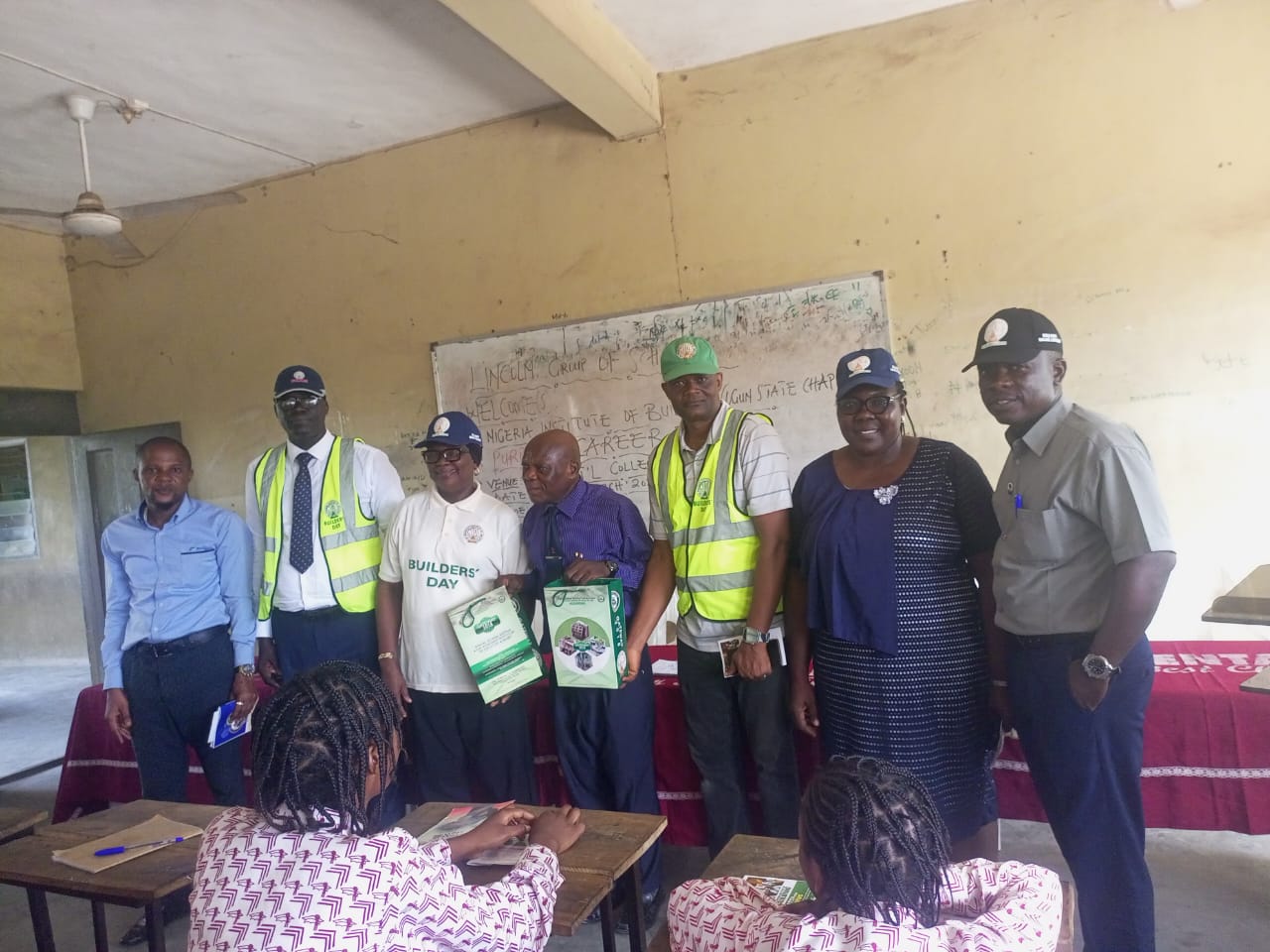
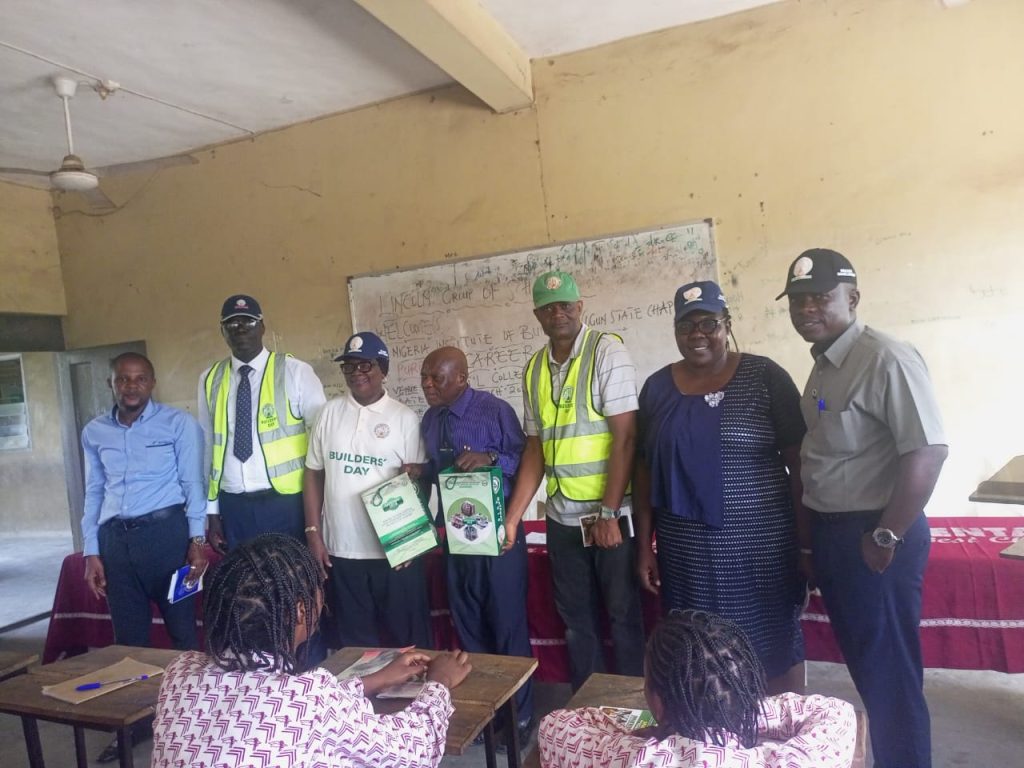
The programme will feature a range of activities including public awareness engagements, visits to media organisations, technical site inspections and educational outreach programmes to secondary schools under the institute’s “Catch Them Young” initiative.
Other activities planned for the week include television and radio discussions, an awareness walk and interfaith thanksgiving services aimed at promoting professional collaboration and public engagement in construction safety issues.
The institute said the engagements are intended to highlight the critical role of professional builders in ensuring that construction projects are executed with competence, integrity and adherence to established professional standards.
It also urged government agencies, policymakers, legislators, academic institutions, corporate organisations, developers and the general public to support initiatives that promote safe and sustainable building practices.
With Ogun State witnessing increasing infrastructural expansion, the institute stressed that such growth must be supported by effective professional oversight and strong building regulations.
Professionals within the built environment sector have also highlighted the importance of integrating sustainability into construction policies and practices.
Advocates say sustainable building practices can significantly reduce environmental impacts while improving the long-term resilience of infrastructure and communities.
Key areas identified for reform include the promotion of green building technologies, enforcement of sustainable building codes and improved urban planning that encourages green spaces, efficient transportation systems and mixed-use developments.
Experts also emphasise that government policies can support sustainable construction by providing incentives such as tax reliefs or subsidies for eco-friendly building practices and by establishing stronger standards for urban development.
They further note that investment in research and innovation will be necessary to expand the use of green technologies within Nigeria’s construction sector.
Examples of such technologies include solar panels and renewable energy systems, energy-efficient lighting and heating systems, sustainable building materials such as recycled components and low-carbon concrete, as well as water conservation solutions like rainwater harvesting and greywater reuse.
Other sustainable design features such as green roofs and vertical gardens are also being promoted as strategies for improving insulation, reducing energy consumption and enhancing urban biodiversity.
According to the institute, the success of these reforms will depend largely on collaboration among government institutions, industry professionals and civil society groups working together to influence policy and improve regulatory enforcement.
NIOB said the annual Builders’ Week therefore provides an opportunity for stakeholders across sectors and generations to reflect on how collaborative policy reforms and professional responsibility can contribute to a built environment that is safe, resilient and capable of supporting sustainable development.
Members of the public and stakeholders within the construction and infrastructure sectors have been encouraged to participate in the activities scheduled throughout the week-long programme.
