
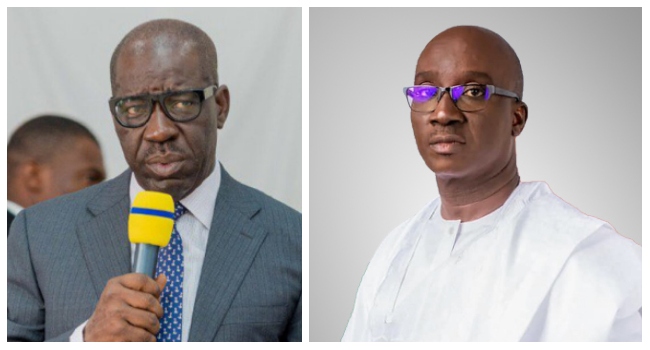
The Edo State Government has revealed that nearly 500 vehicles belonging to the state are unaccounted for, marking a sharp increase from the previously reported figure of 200.
This was disclosed by Fred Itua, Chief Press Secretary to Governor Monday Okpebholo, during an appearance on Channels Television’s Lunchtime Politics.
“So far, the committee set up to recover vehicles has, as of this morning, recovered about 10 vehicles,” Itua stated.
“The initial figure of 200 was understated. There are almost 500 vehicles still missing, and as of yesterday, they had traced about 21 of those vehicles to the house of a very top appointee of the last government.”
According to Itua, some of the missing vehicles and assets were traced to officials from the administration of former Governor Godwin Obaseki, including 15 vehicles found at the residence of another high-ranking appointee.
“In the coming days, the committee intends to legitimately recover these vehicles and other state assets being held in private hands, which ordinarily should not have happened,” he added.
Itua noted that the current administration inherited virtually no vehicles, leaving some officials of the Okpebholo government without operational vehicles.
The revelations come amidst ongoing tensions between the new administration of Governor Okpebholo of the All Progressives Congress (APC) and his predecessor, Obaseki of the Peoples Democratic Party (PDP).
Okpebholo recently established a committee to probe Obaseki’s administration, citing a commitment to “probity, accountability, and transparency in governance.”
However, Obaseki’s camp dismissed the probe as politically motivated. Crusoe Osagie, a media aide to the former governor, described the investigations as a diversionary tactic.
“We know what their plans are with the diversionary probes. It is just a smokescreen to mask the governor-select’s incompetence and unpreparedness for office, having come into power through a stolen mandate,” Osagie said.
He advised Okpebholo to focus on governance and improving the lives of Edo residents rather than engaging in what he termed “meaningless probes.”
The development underscores the strained relationship between the successor and predecessor administrations, raising concerns about the state’s political climate and governance.
