
The Government of Equatorial Guinea has imposed restrictions on citizens from downloading and sharing multimedia files via mobile data on WhatsApp, sparking public outrage and debates over freedom of communication.
The restrictions reportedly stem from government guidelines instructing telecommunications operators to curb access to “inappropriate content.”
Citizens now find themselves limited to sharing photos, videos, and audio only through WiFi connections, impacting not only personal but also work-related and educational communication.
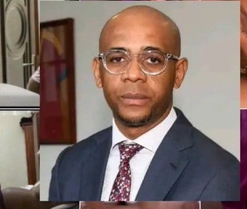
This policy follows a high-profile scandal involving Baltasar Engonga, Director General of the National Financial Investigation Agency (ANIF).
Engonga, 54, was implicated in a sex scandal during a fraud investigation, with over 400 videos surfacing that allegedly depict encounters with married women, including spouses of prominent officials.
The footage, discovered on CDs in Engonga’s office, includes interactions with high-profile individuals, among them relatives of the country’s President, the Director General of Police’s wife, and wives of numerous ministers.
The leak of these videos has caused a media uproar and widespread public outcry.
A local news outlet, Ahora EG, reported citizens’ frustrations with the restrictions, quoting one source: “Should an entire country pay for the actions of a few? The likely decision to restrict access to essential communication functions seems disproportionate and punitive.” Another questioned, “Is it really fair that everyone should suffer the consequences of the actions of a few?”
While the government has not yet offered a full explanation for the decision, many believe the restrictions reflect an attempt to control the flow of information amid the scandal.
The measure has amplified concerns about freedom of communication, particularly given the increasing need for digital connectivity in daily life. Citizens lament that the lack of transparency only heightens their concerns about the government’s motives.
In a related move to tighten oversight, Vice President Teddy Nguema recently announced plans to install surveillance cameras across state offices, part of a broader campaign to enforce public service regulations and prevent misconduct.
However, critics argue that these measures, combined with the WhatsApp restrictions, signal a concerning shift toward increased government control over personal freedoms in Equatorial Guinea.
