
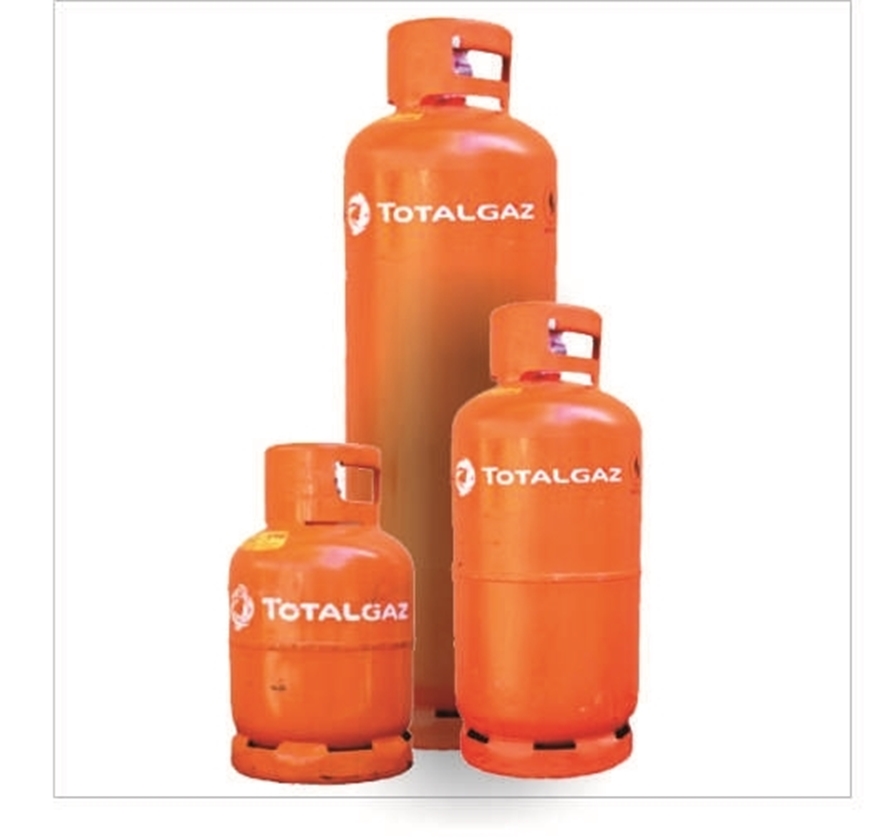
In a decisive move to address the escalating cost of Liquefied Petroleum Gas (LPG), popularly known as cooking gas, the Federal Government has imposed an immediate ban on the export of LPG produced in Nigeria.
This decision comes in response to skyrocketing prices that have hit millions of households across the country.
The Minister of State for Petroleum Resources (Gas), Rt. Hon. Ekperikpe Ekpo, expressed concern over the sharp increase in LPG prices in a statement issued through his media aide.
He noted that the price per kilogram of LPG had risen from an average of N1,100 to N1,250 to an alarming N1,525, despite ongoing efforts by the government to stabilize costs.
“The continued rise in LPG prices is a significant burden on Nigerians, and we are taking immediate actions to curb this trend,” Ekpo stated.
Ekpo disclosed that a high-level committee, led by Mr. Farouk Ahmed, the Authority Chief Executive of the Nigerian Midstream Downstream Petroleum Regulatory Authority (NMDPRA), had been established in November 2023 to monitor and regulate LPG prices.
However, despite the committee’s efforts, prices have continued to climb.
As part of the government’s immediate intervention, the Minister announced that effective from November 1, 2024, the Nigerian National Petroleum Company Limited (NNPCL) and other LPG producers are mandated to halt all exports of locally-produced LPG.
Should these producers choose to continue exporting, they will be required to import an equivalent volume at cost-reflective prices, ensuring a balance between local supply and demand.
In addition, the government has tasked the NMDPRA with creating a new domestic pricing framework within 90 days.
The new pricing structure will be indexed to the cost of in-country production, moving away from relying on external market prices from regions such as the Americas and Far East Asia, which have contributed to the surge in local prices.
Ekpo outlined a longer-term strategy aimed at resolving the crisis over the next 12 months. This includes developing infrastructure for blending, storing, and distributing LPG to enhance domestic supply.
The ultimate objective is to ensure that LPG exports remain suspended until local production can sufficiently meet demand and prices are stabilized.
“These measures are being implemented to improve the availability of cooking gas, ensure its affordability, and protect Nigerians from the economic strain caused by rising LPG prices,” Ekpo emphasized.
The government’s action underscores its commitment to alleviating the financial burden on households and stabilizing the volatile cooking gas market.
