
…’Addiction is not a crime, it’s a disease’ — Mental health professionals stress need for treatment over stigma
Kayode Ayodele
As the world marked the 2025 International Day Against Drug Abuse and Illicit Trafficking, Nigerian experts, civil society advocates, and royal influencers have raised grave concerns over the country’s escalating drug crisis, calling for a national emergency response to avert a looming mental health catastrophe.
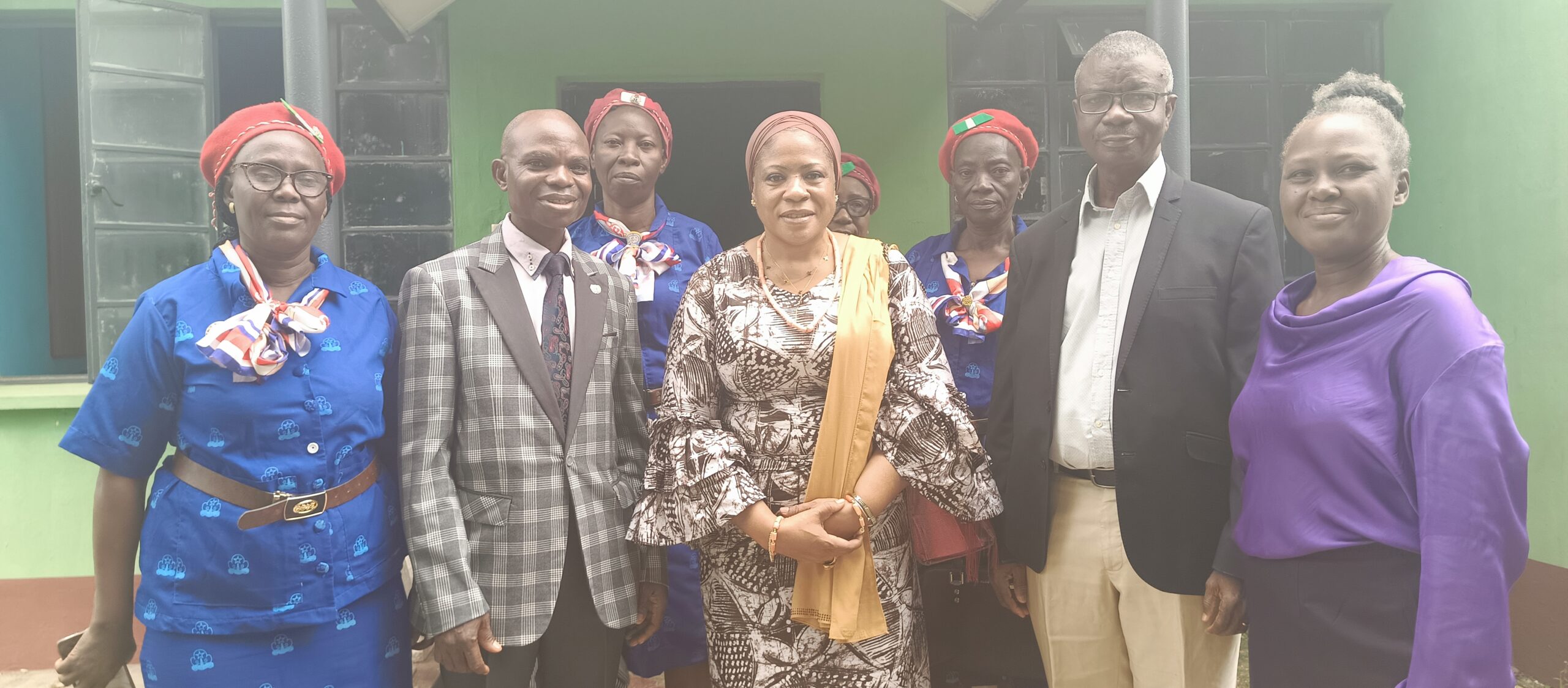
Held at the Neuropsychiatric Hospital, Aro, Abeokuta, the commemorative event—tagged “Breaking the Chains: Prevention, Treatment and Recovery for All”—brought together professionals and community leaders united in the demand for urgent, systemic reforms to tackle addiction and its growing societal consequences.
Mental Health Experts: Drug Use is a Public Health Crisis, Not a Moral Failin
In his keynote address, Consultant Psychiatrist Dr. A.K. Ayankola described Nigeria’s drug epidemic as “deepening and deadly,” citing the 2017 National Drug Use Survey, which found that 14.3 million Nigerians aged 15 to 64 were drug users—a prevalence rate almost three times the global average at the time.
He said the most affected age group is 25 to 39, with over 376,000 Nigerians reportedly injecting drugs—a practice that significantly raises the risk of infectious diseases, mental health disorders and premature death.
“Substance Use Disorder is not a crime—it’s a chronic mental illness,” Ayankola stressed. “Unfortunately, we continue to treat it with stigma and neglect instead of clinical care and compassion.”
He criticised the country’s underfunded drug control strategy, noting a shortage of treatment centres, lack of trained personnel, and limited access to evidence-based interventions.
He called for an urgent review of Nigeria’s National Drug Control Master Plan (2021–2025) before its expiration, saying a strengthened and coordinated national response was long overdue.
Hospital Leadership: Families and Communities Must Step Up
Representing the Provost and Medical Director of the Neuropsychiatric Hospital, Dr. Paul Agboola, Dr. Oluyinka Majekodunmi lamented the sharp rise in drug-induced psychiatric admissions, adding that the burden on mental health facilities continues to grow.
“This hospital has done so much in treating addiction, but we cannot do it alone,” Majekodunmi said.
“We need communities and families to be more observant, more involved, and more willing to seek help early.”
He urged parents to move beyond passive parenting and to adopt a more deliberate approach to raising emotionally secure children, warning that failure to intervene early could allow drug users to rise to leadership roles in both public and private sectors.
Community Advocates: It’s a National Emergency
In his opening remarks, Pastor Ogbemudia Ogbebor, Chairman of the Planning Committee, issued a stark warning about the long-term national implications of ignoring drug abuse.
“Drug abuse is no longer a personal issue—it is a national emergency threatening Nigeria’s future,” Ogbebor said. “Our response must be immediate, coordinated, and cross-sectoral.”
He called for a unified effort among the health, education, and community development sectors, warning that isolated interventions would no longer suffice in the face of rising addiction rates.
Unified Voice for Urgent Action
The event drew a diverse mix of health professionals, royal dignitaries, students, and civil society actors. All were aligned in their message: drug abuse in Nigeria has reached alarming levels and demands bold, immediate, and inclusive action—from government investment to grassroots engagement.
The stakeholders agreed that only a national framework rooted in prevention, evidence-based treatment, and community recovery can effectively address the rising tide of addiction and safeguard future generations.
